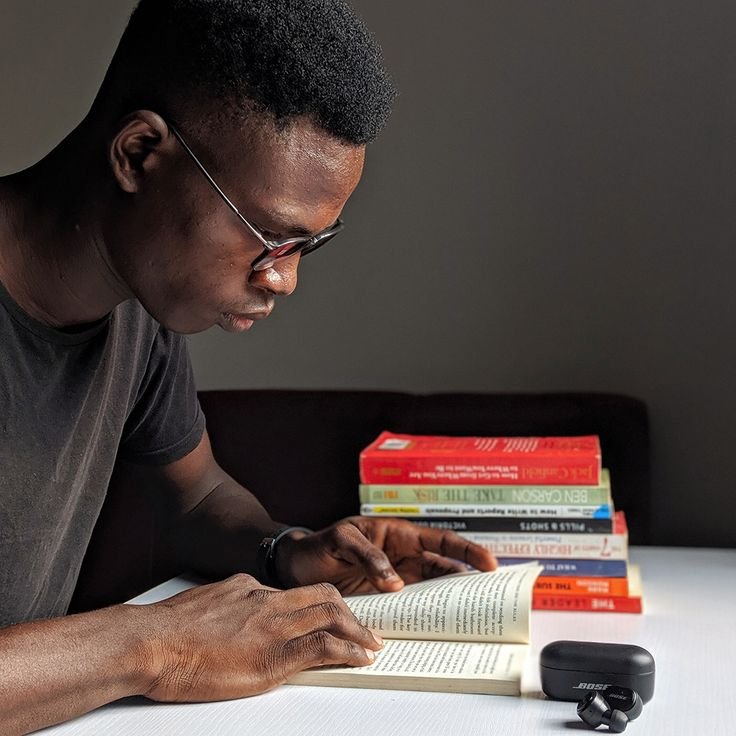
You must have come across people that are almost always learning year in, year out. They buy courses, take free classes, and work through the course modules like they’re back in their undergraduate days. The question then is:
Why do people upskill?
For some, upskilling is a seasonal exercise. Something they do only when a new opportunity is around the corner and they need to top up their knowledge bank. Others upskill because they want to change jobs. While for some, upskilling is merely a part of their lifestyle.
Upskilling is a marker of personal and professional growth. You should also remember that as you grow older and your thoughts and capabilities change and increase, so does the world, industries, and workspaces. The systems, procedures, and processes used in 2021 may not be the same ones being used now (whatever year you come across this post). Upskilling means that you update your knowledge of a thing, to thrive in the moment.
And in the nearest future, another upskill may be needed.
Think of it as a routine backup. You backup your cherished moments to Google photos because you don’t want to miss anything. That’s the same way you upskill through courses, workshops, bootcamps, or even mentorship. You back up important information that you have learned or relearned in your brain, so that your knowledge doesn’t get outdated. Many may think upskilling is only a part of work, but the truth is that upskilling can be applied both within and outside the corporate environment.
It keeps you adaptable.
If, for example, a digital marketer takes an opportunity to learn cold calling, it means that if an opportunity for a cold calling gig comes, they can confidently say that they offer cold calling services to the enquirer. They may not have been hired specifically for that skill before, but they have taken the time to learn it, practise it, and add it to their knowledge bank.
This is one of the beautiful things about learning. You may not need the knowledge immediately, but you never really know when it will become useful. You could take a course today and think, “I don’t need this yet.” Then, six months later, an opportunity comes up that requires exactly what you learned. Because you took the time to learn it when you had the chance, you are not starting from zero when the opportunity arrives.
Upskilling should be part of your lifestyle
Not something you only remember when you are looking for a new job. For instance, your CV should not have its last certification sitting comfortably in 2020 when it is now 2026. And this is not to say that everyone needs to have a new certificate every few months. Certificates are not the only proof that you are learning. What matters is that you are still making an effort to improve what you know and what you can do.
Imagine someone who finished school in 2020 and has not taken a single course, attended a workshop, learned a new tool, or explored anything new in their field since then. Now imagine another person who graduated in the same year but has spent the last few years learning new skills, taking short courses, attending webinars, experimenting with new tools, and keeping up with changes in their industry. They may have started from the same place, but they have not remained in the same place.
This is where many people misunderstand upskilling. It is not always about becoming qualified for a new job. Sometimes, it is simply about becoming better at the job you already have.
Learning keeps you curious.
There is also something about learning that goes beyond your CV. When you keep learning, you give yourself new things to think about. You discover that there are different ways of doing things and that you don’t always have to stick to the way you have always done them. This is especially important because it is very easy to become comfortable.
You get a job. You learn the process. You become good at it. You do it repeatedly until it becomes second nature. Before long, you are no longer learning because you already know how to do your job.
Upskilling should not become another source of pressure where you feel like you are failing because you did not complete a course this month. Rest is allowed because learning can be small. You can watch a useful webinar. You can read a book. You can learn how to use a new tool. You can ask someone more experienced than you to teach you something. You can take a short course over the weekend. You can even spend an afternoon exploring something you have always been curious about.
You don’t have to wait until your employer asks you to get another certification. You don’t have to wait until you are applying for a new job. You don’t have to wait until you realize that everyone else in your industry knows something you don’t.
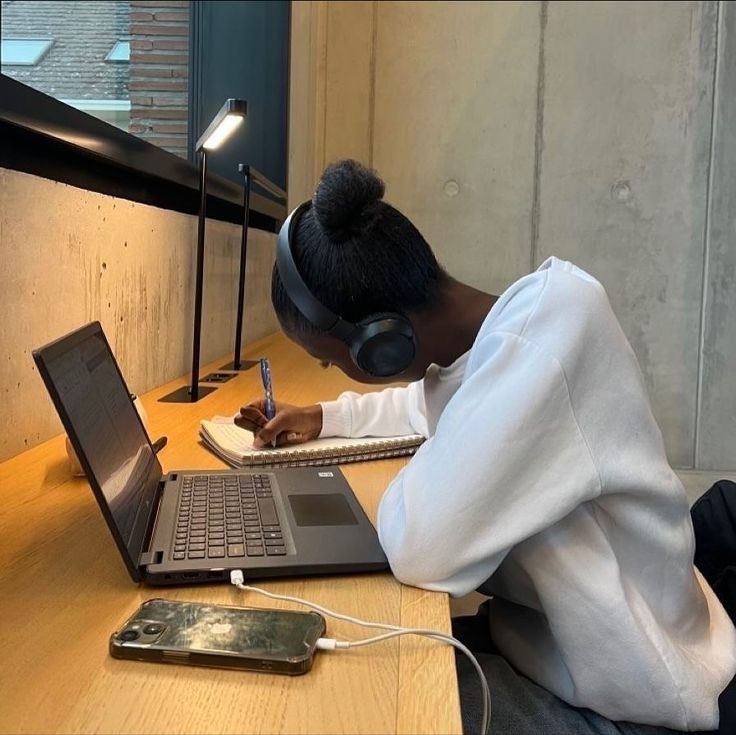
Upskilling should not be something you do only when you need something. It can simply be part of who you are.
Keep learning. Keep growing. Keep yourself open to the possibility that there is always something new you can do, something new you can understand, and something new you can become.
Join our Brands and Smes Community here